We, at WFPC, consider ourselves to be children of God, and thereby God’s peacemakers (Matt. 5:1-12). We have a wide range of political/theological persuasions in our church, and we all agree that although we are not “like-minded,” we strive to be “Christ-minded” as we move into our future together as a body of believers, being faithful to Jesus’ mandate to love Him and to be His followers. All are welcome!
As Presbyterians, we are called to respond to the Word by participating in God’s ability of healing and reconciling; ministering to the needs of the poor, the sick, the lonely and the powerless; helping in the struggle to free people from sin, fear, oppression, hunger and injustice; and giving of ourselves and our substance to the service of those who suffer. As a church, we are the body of Christ. And through His ministry, Jesus shows us how to glorify God by sharing God’s love with others. He teaches us how to be blessed with the joy of reaching out to our brothers and sisters in need (Matt. 25:35-36).
Staff
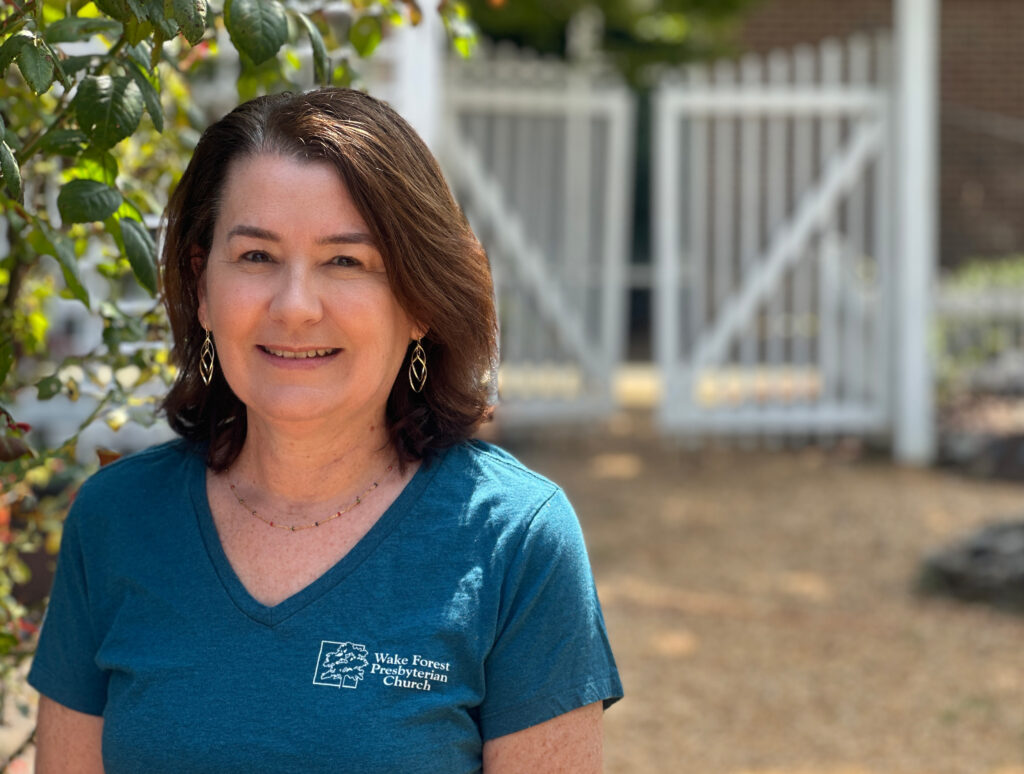
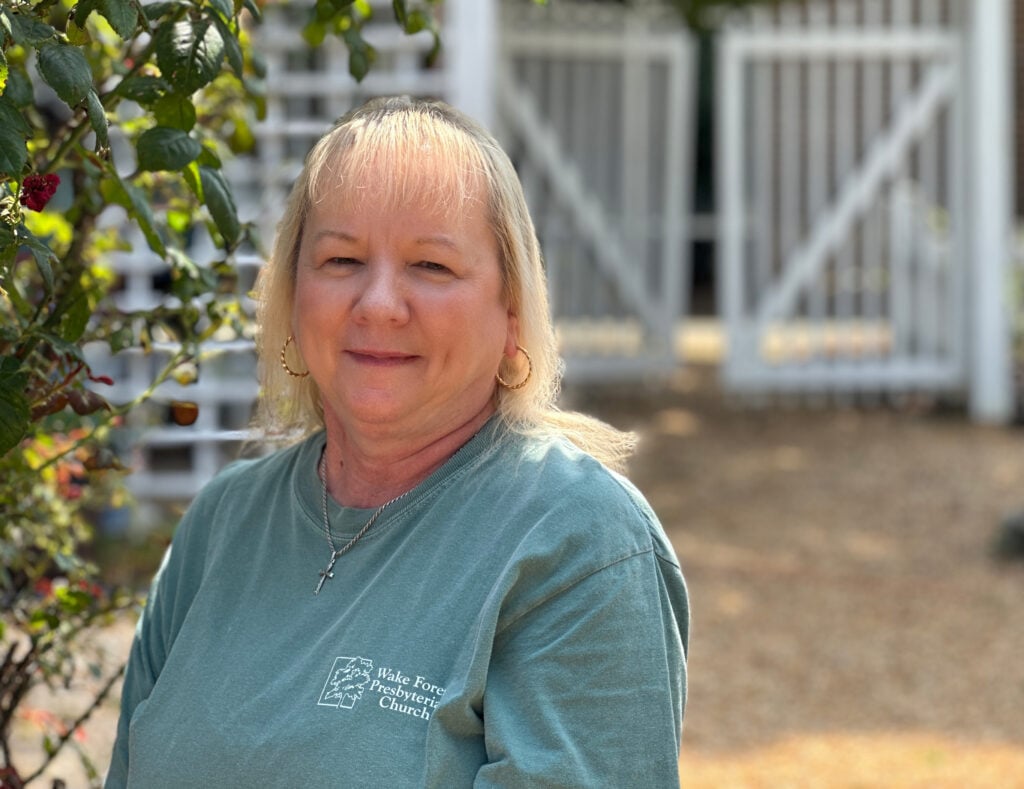
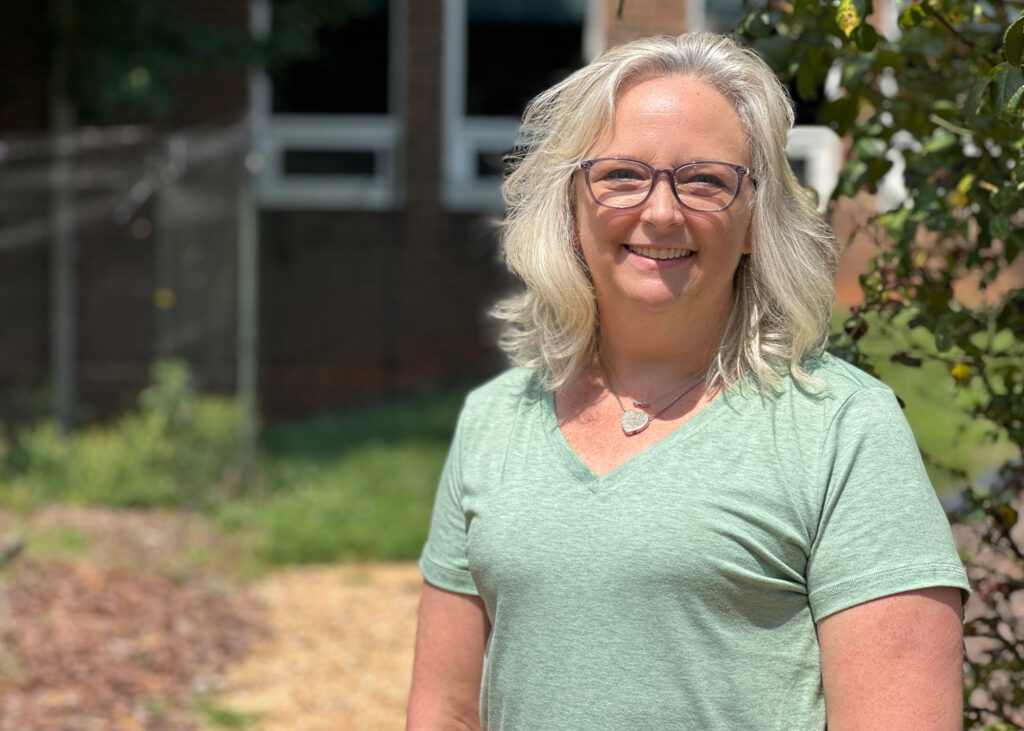
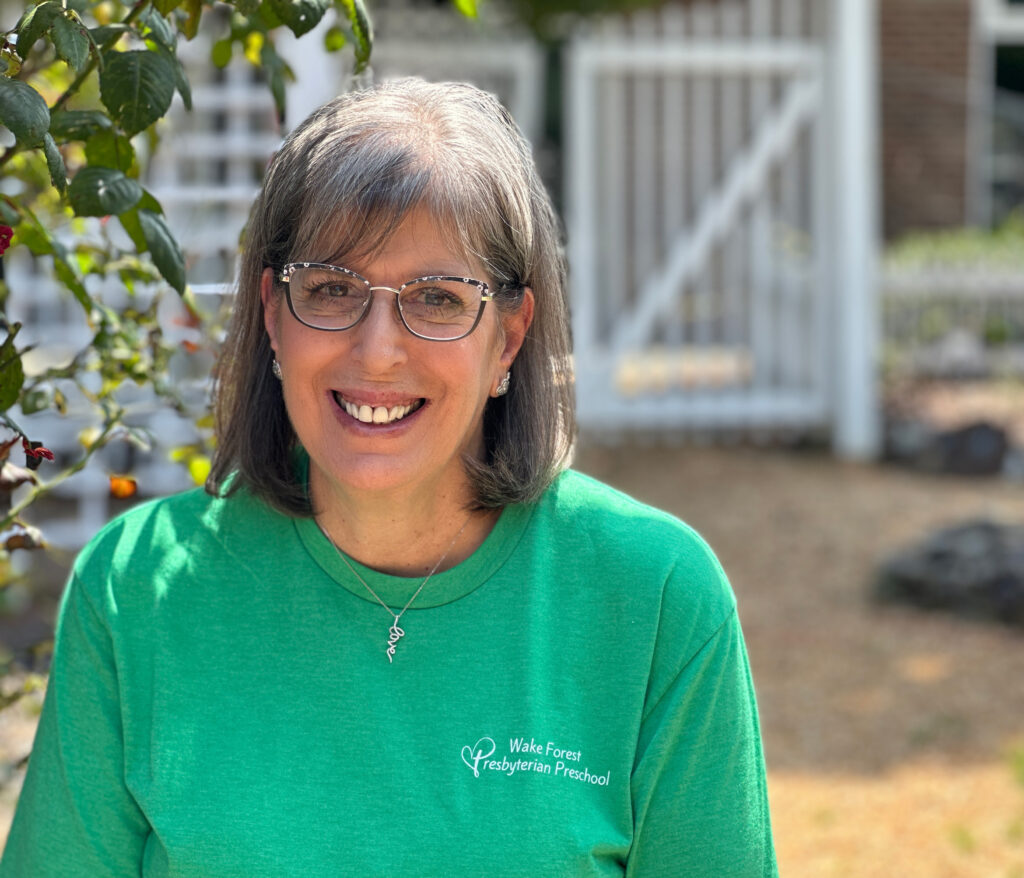
The Session is the governing body of a local Presbyterian church. The congregation elects individuals who are committed, active and gifted leaders to serve as “elders.” The Session is responsible for all the various ministry areas of the congregation. Our elders meet at Wake Forest Presbyterian the first Monday of each month. Their various committees meet monthly, and anyone who is interested in working more closely in a particular area of ministry are welcomed to come be part of a particular ministry team.
Our Diaconate is made up of deacons elected by the congregation, and, like in the early church recorded in the Book of Acts, their ministry focuses on care of the congregation and its life together. They oversee care of those who are struggling with various life circumstances and branch ministry (staying connected). They meet the second Tuesday of each month for their regular meeting.
Wake Forest Presbyterian is affiliated with the historic PC(USA), tracing our history back to prior to pre-Revolutionary War times. Currently, we are a denomination with 1.75 million members in 16 synods; 173 presbyteries; just over 10,000 congregations nationwide. There are many different brands of “Presbyterian” churches throughout the United States, which reflects our capacity to struggle hard with one another over numerous issues related to culture; theology and governance. This has led to splits, and sometimes reunion, within our denomination.
The name comes from a Greek work, which means, “ruled by elders”, or church leaders, who carry out the work of a local congregation. In other words, all Presbyterians have similar church governing approaches, using elected “elders” (presbyters) to carry out the ministry of the congregation and the greater church.